
Blog Posts
Desire as a Fish
desire as a fish in the deep waters of consciousness sounds poetic, but it points to something very practical and psychological: your lived sense of “I AM” determines what you can even notice as possible for you, let alone experience.

10 Core Beliefs
10 Core Beliefs based on my library, the authors come from very different worlds—Hermeticists and Kabbalists, productivity writers and mystics, Stoics and New Thought teachers. Yet beneath the surface, they share a surprisingly coherent set of core beliefs about human...
Dionysian Shadow
The Dionysian Shadow and the Dissolution of Boundaries Alcohol, Archetypes, and the Lifespan of a Man’s Soul There are seasons in a man’s life when the structures he has worked so hard to build—identity, self-control, a coherent story of “who I am”—begin to loosen....
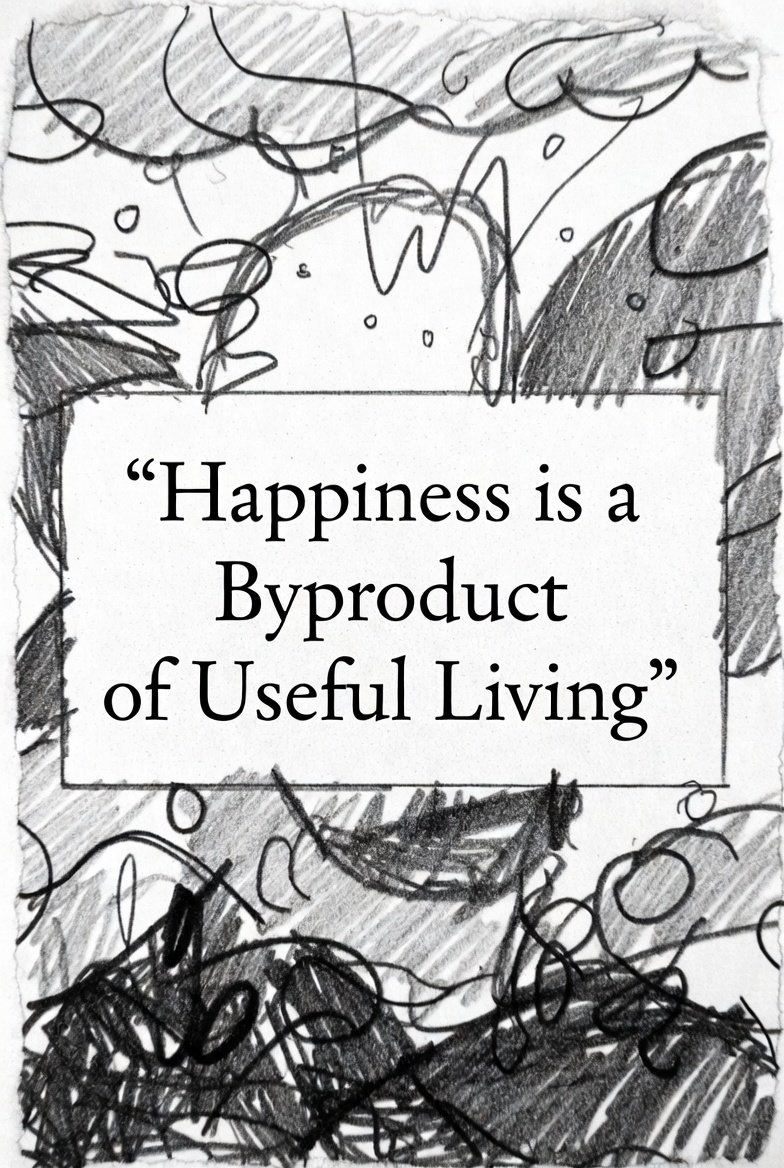
Happiness is a Byproduct of Useful Living
The idea expressed in the statement—that happiness is a byproduct when one enjoys developing knowledge and skills in order to contribute to society—captures a profound philosophy of life rooted in usefulness, growth, and participation in the larger human enterprise.
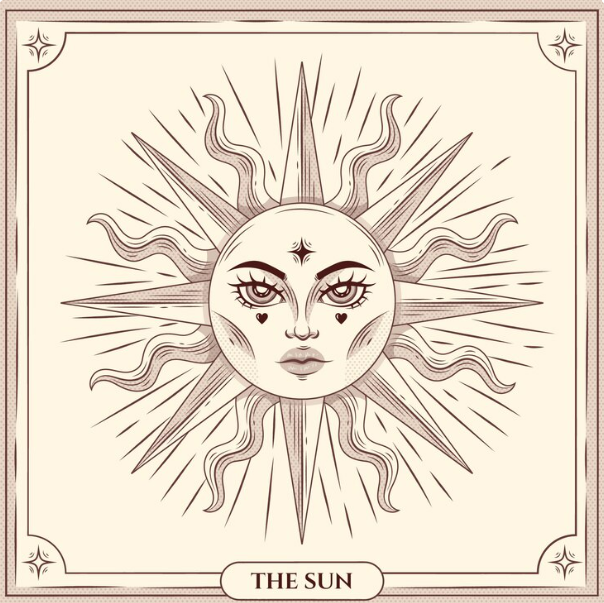
Expect Wonderful Things
Expect wonderful things… the sovereignty of attention… We are told not to be “moons,” reflecting other people’s ideas, but “suns,” generating light. In esoteric language, this is the shift from being passively shaped by the collective mind to consciously participating in creation.
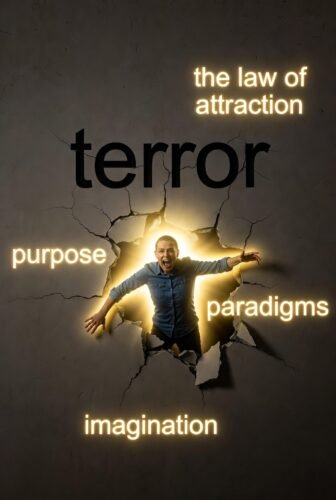
Purpose, Time, and Breaking the “Terror Barrier”
t the heart of Bob Proctor’s teaching is a simple but unsettling claim: most people will live and die without ever truly living the way they want. The difference, he argues, lies not in luck or privilege, but in how we relate to purpose, time, and the hidden mental patterns that govern our lives.
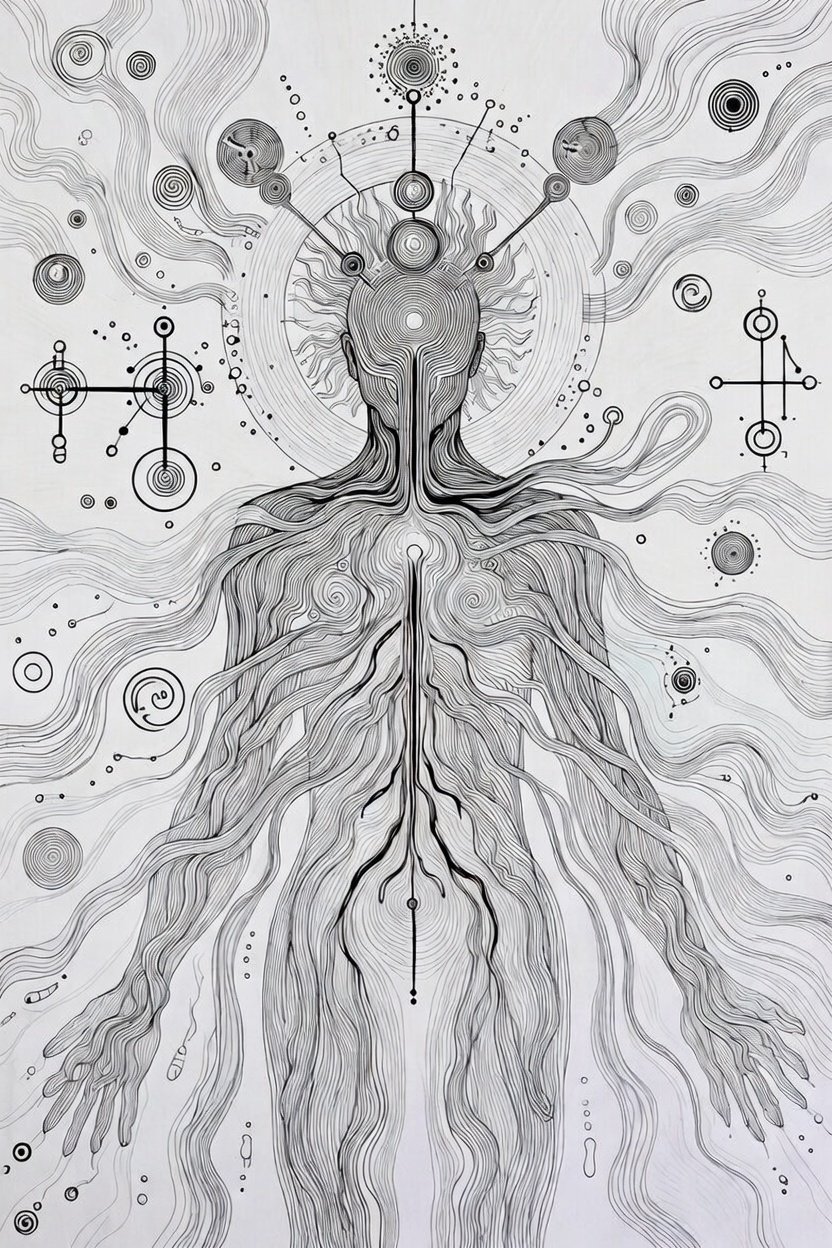
TESLA’S MEDICINE: THE UNIVERSAL FLUID
Tesla’s Medicine: The Universal Fluid is not a documentary about Nikola Tesla, nor is it a technical manual for real‑world therapies. It is a myth in cinematic form: a story that condenses many of our cultural longings and anxieties into a single symbol, the universal fluid, and a single emblematic figure, Tesla.

Apophatic Theology: Learning to Know by Unknowing
Apophatic Theology is the discipline of approaching reality—especially the divine—by way of negation. Instead of saying what God is, it proceeds by stating what God is not, or by insisting that whatever we affirm of the divine is finally inadequate. This “negative way” (via negativa) is not mere pessimism or skepticism; it is a method for protecting mystery, dismantling idols of the mind, and opening a space for direct encounter that does not depend entirely on concepts.
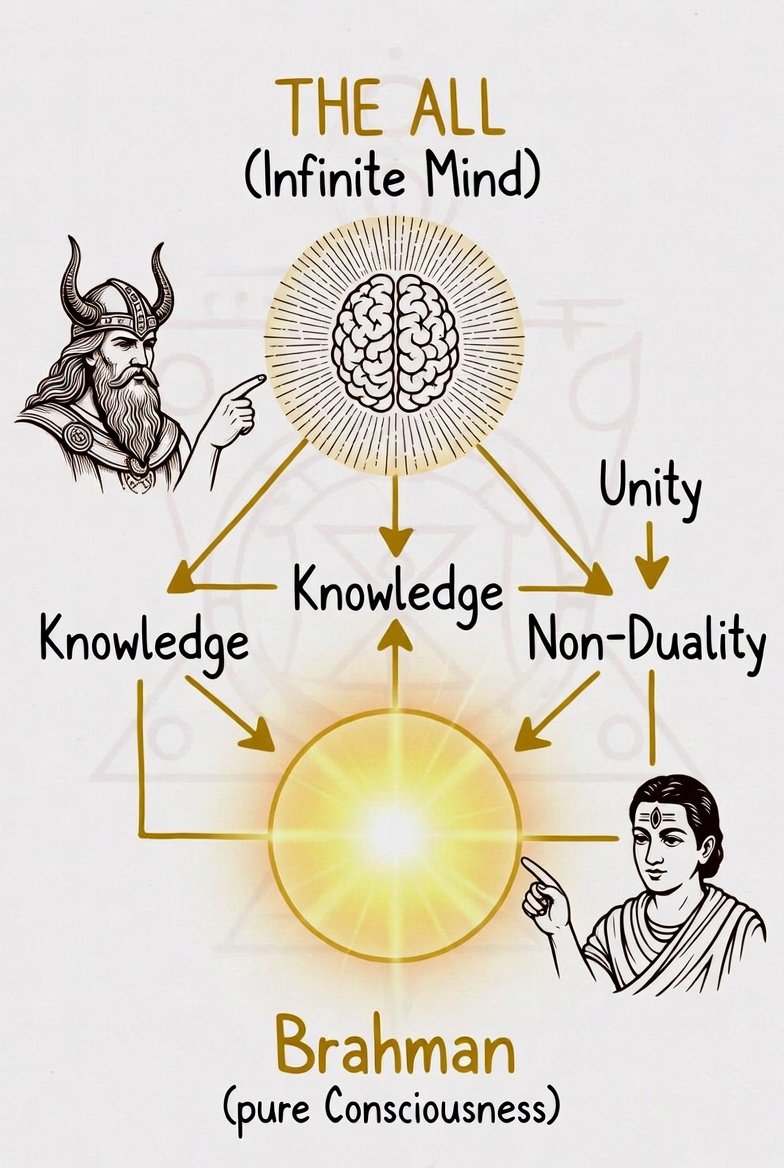
Odinic Mysteries: The All is Mind
The All is Mind the Universe is Mental. The universe is mental, so the acquisition of knowledge and the building of consciousness is the highest priority above all things in the Odinic Mysteries. Without an understanding of this first and basic principle, all further knowledge is moot. – Esoterica
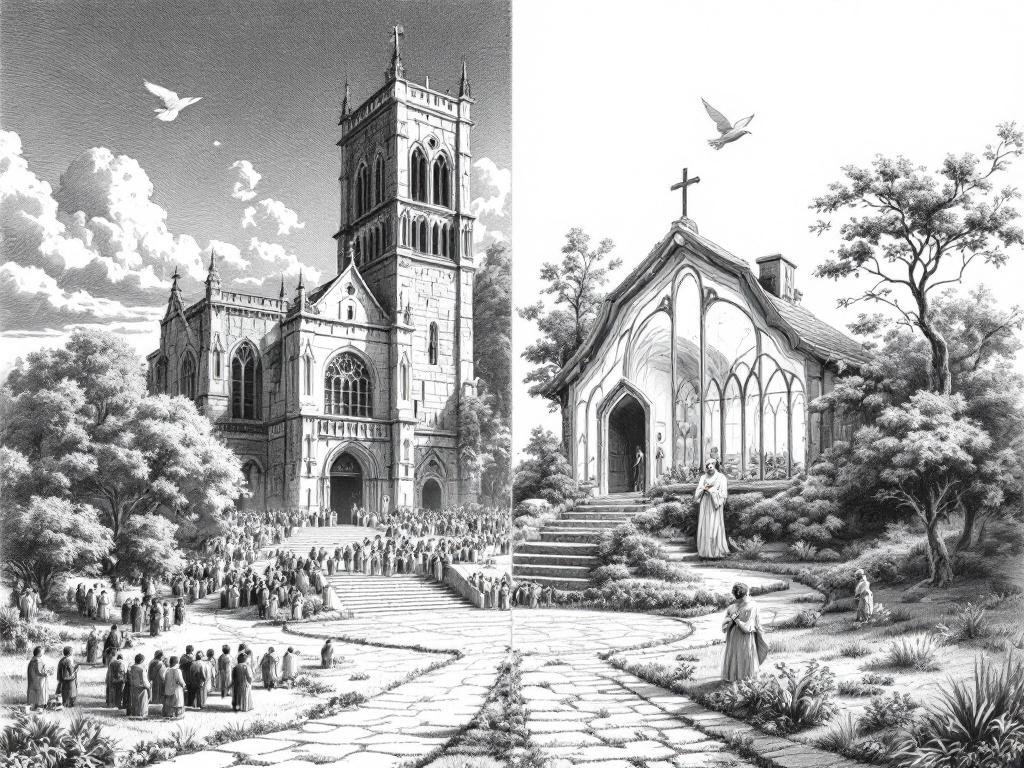
Churches of Peter & John
"In this way it teaches that the “exoteric” church of Peter will make way for the “esoteric” church of John, which will be that of perfect freedom." The passage comes from Meditations on the Tarot (published anonymously in 1985, but widely attributed to...
These are the ancestral ground-plans. The "Blueprints" represent the formal, historical, and symbolic structures passed down through esoteric lineages—the Tree of Life in Kabbalah, the alchemical stages presented by Franz Bardon, or the cosmic hierarchies described in the Corpus Hermeticum. For those who operate without mental imagery, these are not pictures or scenes; they are logic-gates, linguistic maps, and organizational systems. They provide the "rules of the game" and the formal vocabulary required to interface with the deeper currents of the psyche. By studying these structures, you are engaging with established intellectual and spiritual geometry—a set of definitions that allow you to categorize reality with precision.
No Results Found
The page you requested could not be found. Try refining your search, or use the navigation above to locate the post.
Explore how different traditions form communities of practice and how those structures shape meaning over time. You’ll trace how themes persist, transform, or diverge across lineages.
Learn how symbols function as structured language linking inner states to outer experiences. This helps you interpret ideas with consistency rather than intuition alone.
Use foundational works and modern frameworks to build a clear “mental operating system.” These articles translate complex maps into usable concepts and definitions.
Applied Living is the "Golden Result"—the integration of the previous three domains into the bedrock of daily existence. It is the transition from "knowing" to "being" (what the Hermeticists might call the refinement of the Stone). Wisdom is not abstract; it is the observable refinement of your interface with the world. It manifests as heightened discernment, the ability to "die with zero" (in terms of missed opportunity or unactualized potential), and the capacity to move through parallel realities of possibility. In the context of the work we discuss, Applied Living is the evidence that the internal architecture has shifted: you are no longer reacting to life’s chaotic input, but rather authoring your own response based on a coherent internal system.
No Results Found
The page you requested could not be found. Try refining your search, or use the navigation above to locate the post.
Shadow & Integration: Examine the parts of the psyche that resist awareness—and how integration changes behavior. You’ll focus on practical recognition and ethical transformation.
No Results Found
The page you requested could not be found. Try refining your search, or use the navigation above to locate the post.
Identity & Inner Conflict: Study how competing identities and motives create tension, delay, or repeated choices. The goal is to reduce inner contradiction by clarifying what’s actually running.
No Results Found
The page you requested could not be found. Try refining your search, or use the navigation above to locate the post.
Cycles, Triggers & Repeating Scripts: Identify patterns that repeat across contexts and the triggers that activate them. You’ll learn how to break cycles using logic, language, and behavioral adjustments.
No Results Found
The page you requested could not be found. Try refining your search, or use the navigation above to locate the post.
Applied Living is the "Golden Result"—the integration of the previous three domains into the bedrock of daily existence. It is the transition from "knowing" to "being" (what the Hermeticists might call the refinement of the Stone). Wisdom is not abstract; it is the observable refinement of your interface with the world. It manifests as heightened discernment, the ability to "die with zero" (in terms of missed opportunity or unactualized potential), and the capacity to move through parallel realities of possibility. In the context of the work we discuss, Applied Living is the evidence that the internal architecture has shifted: you are no longer reacting to life’s chaotic input, but rather authoring your own response based on a coherent internal system.
No Results Found
The page you requested could not be found. Try refining your search, or use the navigation above to locate the post.
Protocols & Workflows: Turn insight into repeatable action with step-by-step routines. These are designed to be simple, trackable, and sustainable.
Decision Frameworks: Build reliable ways to choose when values conflict or information is incomplete. You’ll use criteria and checklists to reduce indecision and regret.
Discernment & Ethical Guardrails: Practice responsible experimentation without chasing extremes or shortcut fantasies. You’ll establish rules that protect your growth, mental clarity, and well-being.
Applied Living is the "Golden Result"—the integration of the previous three domains into the bedrock of daily existence. It is the transition from "knowing" to "being" (what the Hermeticists might call the refinement of the Stone). Wisdom is not abstract; it is the observable refinement of your interface with the world. It manifests as heightened discernment, the ability to "die with zero" (in terms of missed opportunity or unactualized potential), and the capacity to move through parallel realities of possibility. In the context of the work we discuss, Applied Living is the evidence that the internal architecture has shifted: you are no longer reacting to life’s chaotic input, but rather authoring your own response based on a coherent internal system.
No Results Found
The page you requested could not be found. Try refining your search, or use the navigation above to locate the post.
Conscious Living & Self-Management: Learn how inner changes show up in daily behavior and personal discipline. You’ll focus on habits that make intention survivable under stress.
No Results Found
The page you requested could not be found. Try refining your search, or use the navigation above to locate the post.
Relationships & Social Expression: Explore how archetypes and values express themselves in communication and bonds. The emphasis is on healthier patterns and more honest self-presentation.
Results in Behavior & Long-Term Growth: Measure what improves: choices, resilience, consistency, and follow-through. These articles connect esoteric understanding to observable, long-term outcomes.
Your content goes here. Edit or remove this text inline or in the module Content settings. You can also style every aspect of this content in the module Design settings and even apply custom CSS to this text in the module Advanced settings.
Your content goes here. Edit or remove this text inline or in the module Content settings. You can also style every aspect of this content in the module Design settings and even apply custom CSS to this text in the module Advanced settings.
Your content goes here. Edit or remove this text inline or in the module Content settings. You can also style every aspect of this content in the module Design settings and even apply custom CSS to this text in the module Advanced settings.
Your content goes here. Edit or remove this text inline or in the module Content settings. You can also style every aspect of this content in the module Design settings and even apply custom CSS to this text in the module Advanced settings.
Your content goes here. Edit or remove this text inline or in the module Content settings. You can also style every aspect of this content in the module Design settings and even apply custom CSS to this text in the module Advanced settings.